

Why Even the Little Stuff Can Cost Big in Today’s Housing Market

If you’re a homeowner in Coquitlam, chances are you’re feeling the pressure. The market’s wild, materials are expensive, and even a basic renovation feels like a luxury. So when it comes to something as deceptively simple as vinyl siding, you might think: how hard can it be?
But here’s the truth: a small mistake like driving a nail too tight or skipping a starter strip can lead to warped siding, moisture damage, and a redo you absolutely don’t have room for in your budget.
Whether you’re doing it yourself or researching siding installation contractors, this guide breaks down the actual steps, the common missteps, and the WHY behind proper fastening. Because doing it right isn’t just about craftsmanship, it’s about protecting your investment for decades to come.
The Hidden Psychology of “Quick Fixes”
Let’s face it most homeowners aren’t cutting corners because they’re careless. You’re probably juggling a dozen other expenses, watching mortgage rates rise, and trying to balance needs with reality. In that context, vinyl siding feels like the kind of task you should be able to knock out or delegate without a second thought.
But siding isn’t just a pretty face for your home. It’s your protection against the elements, your barrier against moisture and rot, and a key component in your home’s energy efficiency. So, while it might feel like a “finish later” task, the truth is, doing it wrong could cost you way more in the long run.
You wouldn’t ignore a slow leak under your sink. So why treat your siding any differently?
The Core Principles (and Why They Matter)
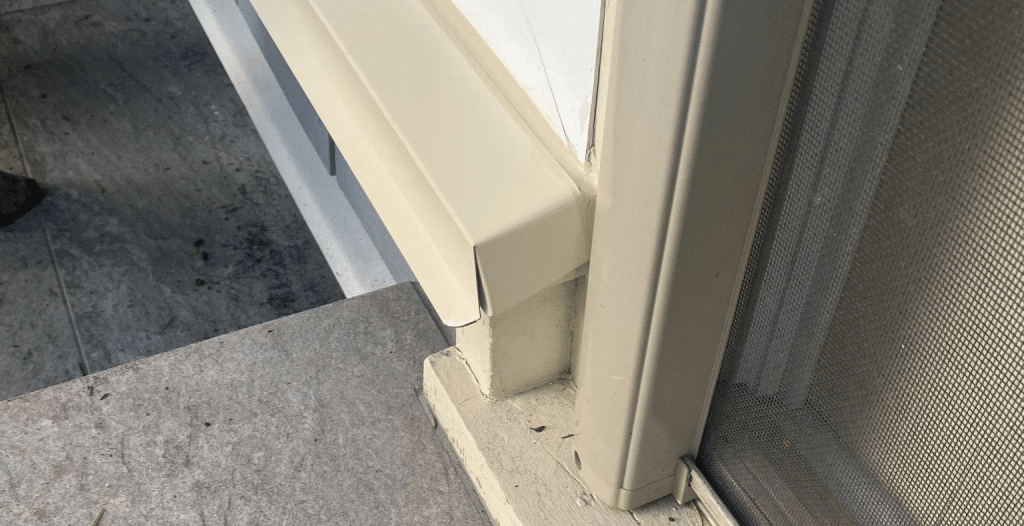
Let’s go beyond checklists. Here’s what you need to know about fastening and how to install vinyl siding, not just how, but why each part matters. These are the principles every homeowner in Coquitlam should understand before tackling a siding job or hiring contractors for siding.
| Step | What To Do | Why It Matters |
| 1 | Nail in the center of the slot | Vinyl expands/contracts with temperature. This prevents buckling. |
| 2 | Leave 1/32” between nail head and panel | Siding must move slightly. Tight nails = stress cracks over time. |
| 3 | Use galvanized or corrosion-resistant nails | Moisture = rust. Rust = stains and loosened panels. |
| 4 | Space nails max 16” apart | Too few fasteners? Siding may flap in wind. Too many? You restrict movement. |
| 5 | Start bottom-up, overlap seams, and stagger joints | This creates clean drainage and reduces visible lines. |
Each step above reflects decades of learning in the industry. Your vinyl siding is meant to breathe and shift. If it’s locked in place or installed unevenly, you’ll eventually face warping, cracks, or even full-blown water infiltration.
The Mistakes We See Again and Again
At City & Country, we’ve been called in to fix more siding jobs than we’d like. And most of the time, the issues started small:
- A homeowner tried to DIY using finishing nails instead of galvanized ones.
- A rushed crew used power tools without checking the expansion room.
- A builder skipped flashing behind panels, letting water sneak in.
By the time we show up, panels are popping loose, mold is building behind the cladding, and homeowners are facing repairs they didn’t budget for.
In today’s climate, nobody has cash to burn. A siding redo because of improper fastening? That’s a hard no.
That’s why if you’re searching for siding companies near me, make sure they can explain every part of their install process. Not just what materials they use, but how they plan to fasten, finish, and inspect the job.
Fastening Techniques vs. Materials: What Matters More?
You might be wondering: if I buy premium vinyl, do I still need to worry about technique?
Absolutely. The best materials won’t perform if installed poorly. And while thicker vinyl holds up better to wind and UV damage, poor fastening still causes buckling, separation, or water penetration.
Here’s how we advise homeowners to prioritize:
- Right technique > Fancy materials: You’ll get more life out of budget siding properly fastened than top-shelf panels installed poorly.
- Correct tools matter: Always ask your siding contractors what tools they’re using. Pneumatic tools may be fast, but they must be used carefully.
- Ventilation counts: Your siding needs room to move and breathe. Don’t just nail it down like it’s drywall.
The Cost of Doing It Twice
Let’s talk numbers for a second.
Redoing siding because of improper fastening can cost two to three times more than doing it right the first time. Why?
- Old siding must be removed and disposed of.
- Damaged sheathing or framing needs repair.
- Labor costs increase with demolition and repair time.
And because insurance rarely covers poor workmanship, it comes out of your pocket. That’s why selecting the right siding contractors is just as important as the materials themselves.
Need help navigating your options? Get a free estimate from a local Coquitlam expert who will walk you through every detail.
Don’t Let Budget Fears Hold You Back
We get it, everything’s more expensive right now. Groceries, gas, and your hydro bill. Tackling a siding project can feel like one more mountain to climb.
But pushing it off because of finances can make things worse. Moisture intrusion leads to mold. Mold leads to health issues and structural decay. All of that means higher repair costs later.
That’s why City & Country offers flexible financing options for families and homeowners across Coquitlam:
- Approvals within minutes
- No interest backdating
- Manageable monthly payments
- No penalty for early payoff
If siding is something your home needs, we’ll help you make it happen without blowing up your savings.
What to Ask Before Hiring Siding Pros
You’re probably Googling siding companies near me and trying to make sense of the options. It’s a lot.
Here are smart questions to ask any contractor before signing:
- Do you follow manufacturer guidelines for fasteners?
- Can I see past projects in Coquitlam?
- How do you handle expansion gaps?
- What warranty do you offer on workmanship?
- Are you insured and WSBC compliant?
The answers will tell you everything you need to know.
See how we work and what makes our process different.
Ready to Take the Next Step?
Your home is your biggest investment. And when it comes to siding, the smallest mistake can snowball into major repairs. Don’t leave it to chance.
- Request a free quote
- Explore siding options
- View us on Google Maps
- Learn about financing
We’ll help you protect what you’ve built with honesty, expertise, and the workmanship your home deserves.
FAQs About Vinyl Siding in Coquitlam
Do I really need to worry about nail placement?
Yes. Misplaced nails are the #1 cause of warping.
What’s the difference between good and bad vinyl?
Thicker panels with UV protection last longer. Cheaper vinyl yellows and cracks.
Can I fasten siding in cold weather?
Yes but leave a little extra gap for future expansion.
Should I remove old siding first?
Depends on the material. Wood? Yes. Existing vinyl? Possibly.
How long should siding last?
Properly installed vinyl lasts 20–30 years.
What’s the biggest risk of DIY siding?
Improper fastening, water damage, or misalignment that snowballs into larger issues.
Are permits required in Coquitlam?
If structural changes are involved, yes. Your contractor should guide you.
How do I vet siding contractors near me?
Ask detailed questions, check their insurance, and look at their past projects.
What if I can’t afford siding right now?
Apply for financing with no pressure.
Can someone inspect my siding before I commit?
Yes. We offer no-obligation inspections. Contact us here.